More Than a T-Shirt: The Culture
Ska Fly is about more than clothing. It is about the music, the people, the dancing, the records, the style and the attitude that grew around ska and the wider culture that followed it.

🇯🇲 It Starts in Jamaica
Ska emerged in Jamaica in the late 1950s and early 1960s, drawing together local Jamaican musical traditions with influences from rhythm & blues, jazz and other sounds arriving through radio and records. The result was energetic, horn-led music with a strong offbeat feel and a rhythm made for movement.
Artists and musicians around the Jamaican scene helped establish the sound, with recording studios, sound systems, record shops and dance halls becoming central to the culture. Ska was not simply something to listen to — it was something to experience together.
🎺 From Ska to Rocksteady and Reggae
Jamaican music kept evolving. Rocksteady slowed the emphasis and placed greater weight on the bass and vocal arrangements, while reggae developed further rhythmic and production ideas. These sounds travelled around the world and became part of the musical vocabulary that later generations of ska fans discovered.
🇬🇧 Britain Finds Its Own Ska Culture
In Britain, Jamaican music became closely connected with clubs, record collecting, dancing and youth culture. Ska sat alongside soul, rhythm & blues, jazz and other sounds that shaped the tastes of mods and other music fans.
The story then moved into new chapters. The late-1970s and early-1980s 2 Tone movement brought Jamaican ska influences together with contemporary British music and a distinctive visual identity. Coventry became an important centre, with labels, venues and bands helping create a new generation of ska records and fans.

🎶 The Bands, Records and Sounds
For many fans, the journey is as important as the destination. The Skatalites, Prince Buster, Desmond Dekker and Laurel Aitken are among the names associated with the Jamaican story. The British revival brought bands such as The Specials, Madness, The Selecter, Bad Manners, The Beat and The Bodysnatchers to a new audience.
Then there are the records that people discover for themselves: singles found in record shops, songs heard at a club, albums passed between friends and tunes that become part of the soundtrack to your life.
🕺 The Dance Floor
Ska has always been physical music. Skanking, bouncing, moving and simply letting the rhythm take over are part of the experience. The dance floor creates its own community — people who may have never met before sharing the same tune, the same beat and the same moment.
👕 More Than a Look
Clothing became part of the culture because music scenes are also social scenes. Polos, shirts, tailored trousers, boots, loafers, trainers, pork pie hats, checkerboard details and bold graphic motifs have all appeared in different parts of ska, mod and 2 Tone culture.
But there has never been just one uniform. Different generations and scenes have interpreted the style in their own way. That is important to Ska Fly: we take inspiration from the culture without pretending that everyone has to dress the same.
🛵 Scooters, Style and the Journey
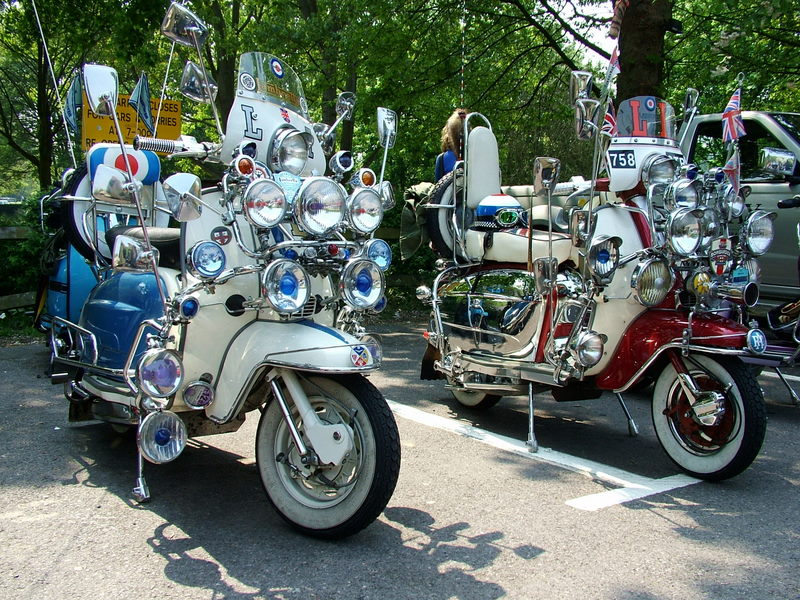
Scooters became closely associated with British mod culture and the wider music scene. Vespa and Lambretta machines became part of the visual language of the scene, turning journeys to clubs, gigs and meets into part of the experience itself.
🎧 Northern Soul, Mod and the Wider Family
Ska does not exist in isolation. Fans have often moved between ska, rocksteady, reggae, soul, northern soul, rhythm & blues, jazz and other sounds. Record collecting, dancing, fashion and the search for the next great tune connect many of these scenes.
❤️ Why the Culture Still Matters
For some people it is the first ska record they ever bought. For others it is a favourite band, a club night, a scooter rally, a record collection, a shirt that reminds them of a particular time, or friends made through music.
That is what More Than a T-Shirt means to Ska Fly. The clothes are one part of the story. The culture behind them is bigger: MUSIC • PEOPLE • STYLE ALWAYS.
🪰 How Ska Fly Started
Ska Fly was inspired by a tattoo I designed called Ska Spider.

People asked me, “How did the spider become Ska?”
The answer is simple: he trapped a Ska Fly. 🪰

That little story became the idea behind the character and, eventually, the Ska Fly brand — bringing together the music, the style, the humour and the culture that inspired it all.
SAME BUZZ • DIFFERENT DAY.

Image credits: “Ska tradicional” by Yowaltekatl, CC BY-SA 4.0; “Ska'd for Life: Coventry, the home of 2 Tone” by A J Paxton, CC BY-SA 2.0; “Mod style Lambretta scooters” by Reg Mckenna, CC BY 2.0. Images sourced from Wikimedia Commons. Ska Spider and Ska Fly images supplied by Ska Fly.