Mod: Music, Style & Attitude
Mod was never simply a haircut or a suit. It grew from a fascination with modern music, clothes, design, nightlife and the idea of choosing your own influences. Its story is closely connected with jazz, rhythm & blues, soul, scooters and the changing culture of post-war Britain.
🎷 Where Mod Came From
The early modernist scene developed in London in the late 1950s around young people with a strong appetite for modern jazz and American rhythm & blues. Author Richard Weight traces the culture through Soho jazz, the explosion of youth fashion and the music of groups such as the Small Faces, The Who and The Kinks.
Mod was part of a wider post-war transformation in British youth culture: more spending power, new music, independent style and a growing nightlife economy created space for young people to define themselves.
🎶 The Music Came First
There was never one definitive mod record collection. Jazz, blues, soul, Motown, R&B, ska and later beat and psychedelic sounds all found their way into the scene. What mattered was discovery — finding something new, exciting and different.
That love of digging for records connects the original mod scene directly with later soul, Northern Soul and ska communities.
👔 The Look
Sharp tailoring became one part of the visual identity: fitted suits, button-down shirts, knitwear, polos, neat trousers and carefully chosen shoes. British and continental fashion influenced the look, while individual mods constantly adapted it.
There was never a single permanent uniform. The style changed because the music and people changed.
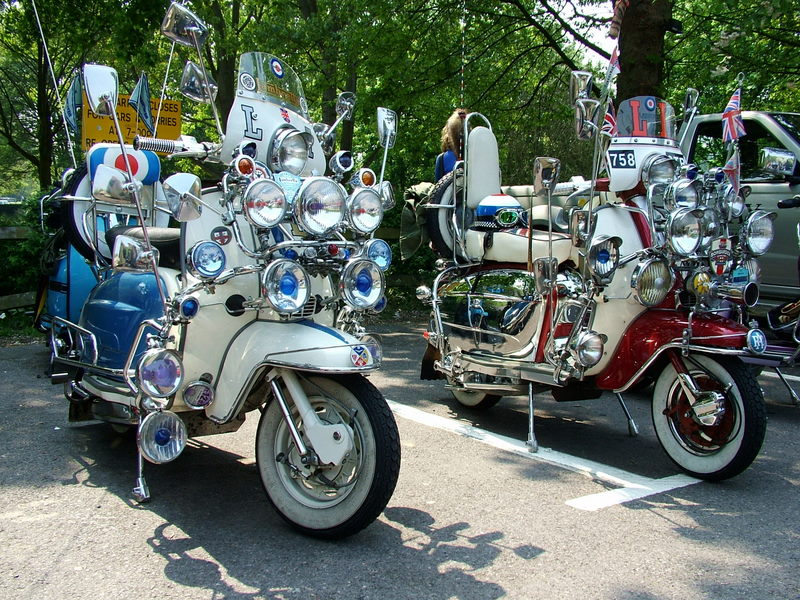
🛵 Scooters
Vespa and Lambretta scooters became a highly visible part of the scene. The appeal combined practical transport with Italian design and personal customisation. The BFI's archive material documents scooter clubs and rallies in Britain even before the classic 1960s mod era.
🌃 Clubs, All-Nighters & Community
Clubs were central. Music was heard in a social environment where dancing, clothes, records and friendships all overlapped. This club culture later helped feed into Northern Soul and other specialist scenes.
🎬 The Revival
Mod did not disappear when the 1960s ended. It resurfaced strongly in the late 1970s and early 1980s, with The Jam, Quadrophenia and renewed interest in earlier soul, R&B and ska. Its influence can be traced into later youth cultures and British design.
🪰 Ska Fly & Mod
Ska Fly takes inspiration from the parts of mod culture that still make sense today: great music, sharp style, individuality, record collecting, scooters and the belief that you can make a scene your own.
MUSIC • PEOPLE • STYLE ALWAYS.
Sources & Further Reading
- Richard Weight, MOD, Penguin / Hutchinson Heinemann.
- British Library, Beyond the Bassline: 500 Years of Black British Music.
- BFI National Archive and BFI Player material on British scooter and youth culture.
- Manchester University Press / Oxford Academic research on the relationship between mods and Northern Soul.